· Judiciary Insight · House · 2 min read
AOC Questions How Much of Healthcare CVS Health Controls
Full context
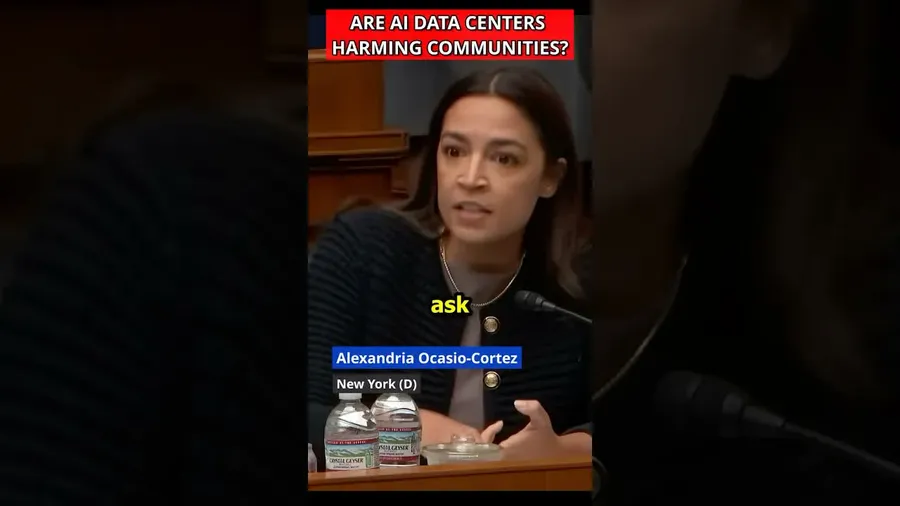
Rep. Alexandria Ocasio-Cortez used a congressional hearing to map the reach of CVS Health across the healthcare system.
In questioning CEO David Joyner, the New York Democrat noted that CVS Health includes insurer Aetna, retail pharmacies, the Caremark pharmacy benefit manager, and Oak Street Health primary care clinics. Her concern was not simply the size of the company. It was the power created when one corporate group can finance care, manage drug benefits, dispense prescriptions, and provide treatment.
How vertical integration works
Vertical integration brings businesses at different stages of a supply chain under common ownership. In healthcare, an Aetna member might receive care at an affiliated clinic, fill a prescription at a CVS pharmacy, and have the drug benefit administered by Caremark.
The model can have advantages. Shared information may reduce duplicated work, help clinicians follow whether prescriptions were filled, and make it easier to coordinate care. Joyner defended the integrated structure as beneficial to consumers.
The same structure can create incentives that deserve scrutiny. A company may steer patients toward affiliated pharmacies or providers, make it harder for independent competitors to reach customers, or move revenue among subsidiaries in ways that obscure where savings occur. A lower cost for one division does not necessarily become a lower premium or pharmacy bill for the patient.
Ownership is the beginning of the inquiry
Corporate ownership alone does not prove unlawful conduct or consumer harm. The meaningful test is performance. Regulators and lawmakers need to compare total spending, patient outcomes, network access, prescription prices, denial rates, and the share of negotiated savings passed through to plan sponsors and patients.
They also need enough detail to trace transactions between affiliated companies. If an insurer pays a clinic or pharmacy owned by the same parent, ordinary financial totals may not show whether the internal price was competitive. Transparent reporting can help distinguish genuine efficiency from revenue shifting.
Ocasio-Cortez’s questioning made a complicated structure understandable by naming its pieces. The next step is to establish whether integration produces measurable benefits for patients and employers, and whether consumers retain a practical choice to use unaffiliated doctors and pharmacies. Without that evidence, both broad claims of efficiency and broad claims of harm remain incomplete.