· Judiciary Insight · House · 2 min read
John James Presses Health Insurers on Coverage, Costs, and Results
Full context
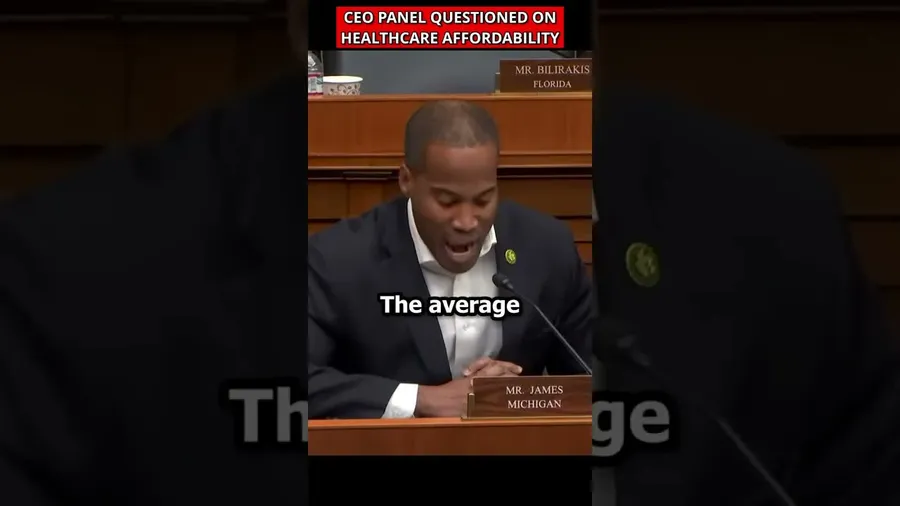
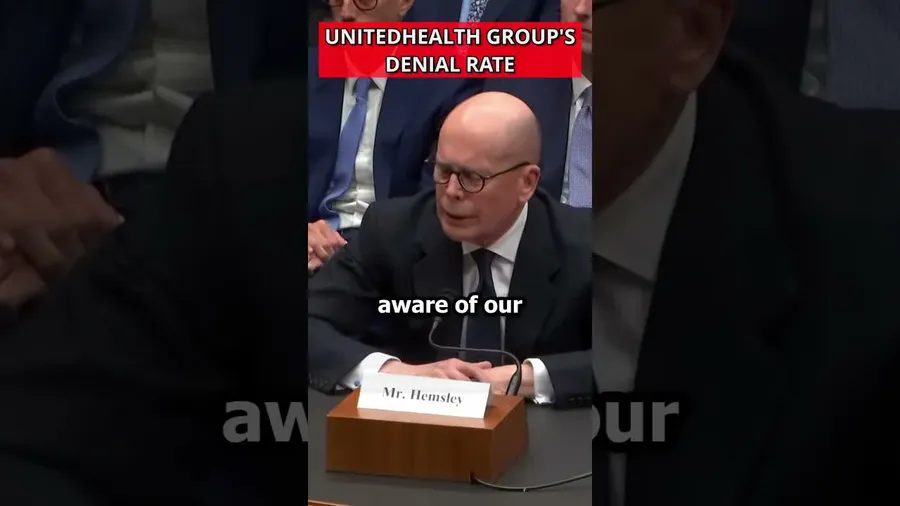
Rep. John James pressed health insurance executives to explain why healthcare costs have continued to rise even as more Americans gained insurance coverage.
The Michigan Republican made the argument during a January 22 House Energy and Commerce Health Subcommittee hearing on insurance affordability. He linked cost growth, deductibles, premiums, and health outcomes, then called for consumers to receive clear rates and side-by-side coverage comparisons.
Coverage and affordability measure different things
Insurance coverage can improve access to preventive services, prescriptions, and treatment while still leaving families exposed to high premiums or deductibles. A person can therefore be insured and still delay care because the out-of-pocket cost is unaffordable.
At the same time, national health outcomes cannot be attributed to insurance alone. Population age, chronic disease, housing, income, nutrition, public health, provider availability, and the price of medical services all influence the result. James’s comparison identifies an important problem, but it does not by itself show which part of the healthcare system caused each trend.
The sharper question is whether each additional dollar produces better access or better care. That requires separate measures for premiums, deductibles, denied claims, wait times, medical debt, patient outcomes, and the prices paid to hospitals, physicians, drugmakers, and intermediaries.
What price transparency can and cannot do
James promoted a model in which patients could compare clear prices and coverage more easily. Better information can help with services that are scheduled in advance, especially when patients have several local options. It can also help employers and regulators identify unusually high negotiated rates.
Healthcare does not always behave like an ordinary retail market, however. Patients may be unconscious, urgently ill, restricted by an insurer’s network, or unable to determine which services will be needed before treatment begins. A posted price may also omit professional fees, facility fees, or the effect of a deductible.
Useful transparency therefore needs more than a large data file. Consumers need an accurate estimate of their own total cost, expressed in plain language, before scheduled care. They also need standardized benefit summaries that make exclusions, prior authorization rules, drug coverage, and provider networks genuinely comparable.
James’s exchange highlights the distinction between expanding an insurance card and delivering affordable care. Both matter, but neither automatically guarantees the other.