· Judiciary Insight · White House · 2 min read
Bessent Sidesteps Whether Trump Still Wants Canada as a State
Full context
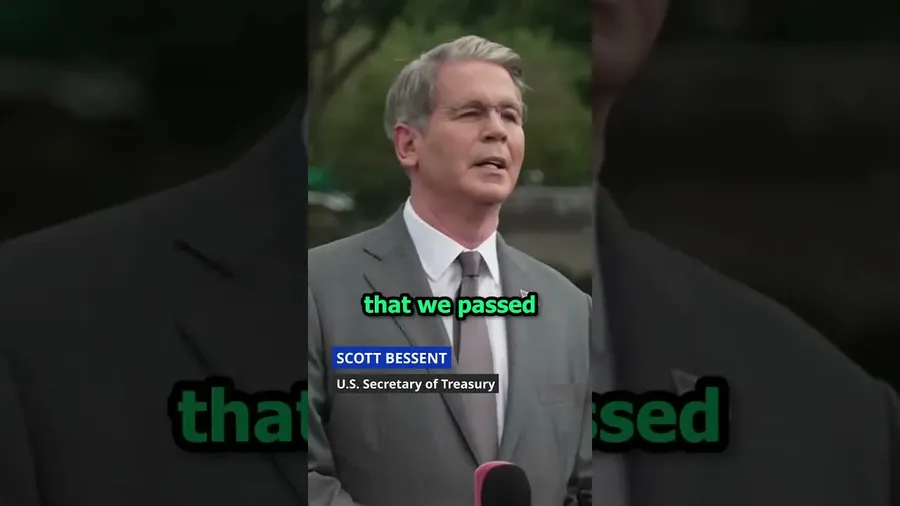
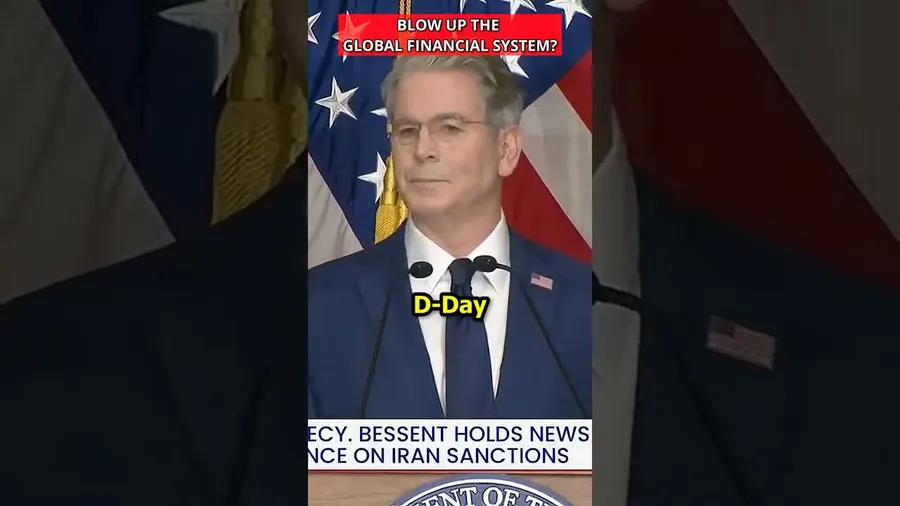
Treasury Secretary Scott Bessent did not directly answer when a reporter asked whether President Donald Trump still wants Canada to become a U.S. state.
Instead, Bessent shifted to the countries’ stalled trade negotiations. He said Trump wants Canada to negotiate in good faith, claimed the United States offered favorable terms, and criticized Canadian Prime Minister Mark Carney for rejecting them.
Bessent then questioned whether Carney was acting for himself, Canada’s Liberal Party, or the Canadian public.
What the answer established
The exchange did not confirm a current American policy of pursuing Canadian statehood. Bessent offered no proposal, timetable, legal mechanism, or diplomatic process for annexation. His response is better understood as a negotiating message about trade.
It also did not clearly disavow Trump’s earlier statehood rhetoric. By declining to say no, Bessent left the president’s language available as political pressure while returning attention to the administration’s immediate objective: extracting concessions in a trade agreement.
That ambiguity may be deliberate. An explicit rejection could contradict Trump, while an explicit endorsement would intensify a dispute with a sovereign ally. Redirecting the question allowed Bessent to defend the administration without committing to either position.
The competing accounts of the trade talks
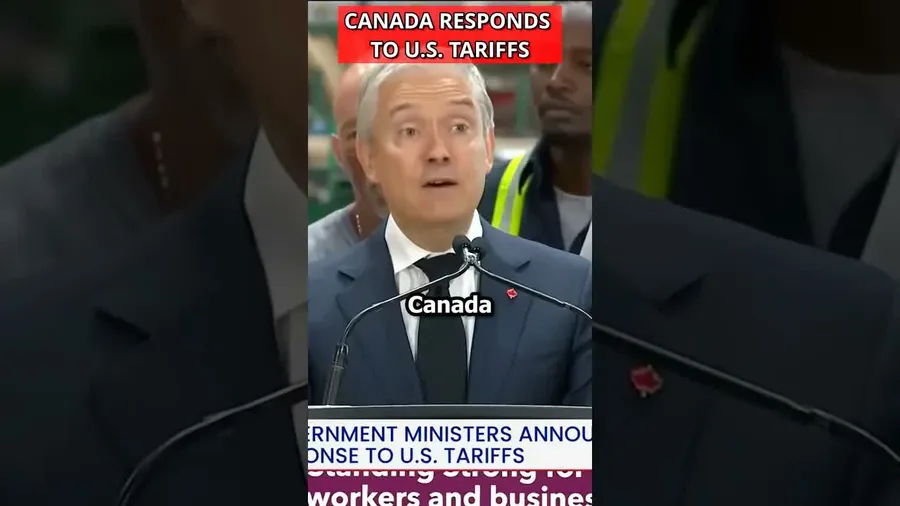
Bessent described the American offer as very good and blamed Carney’s political incentives for its rejection. Canada’s government presents the opposite account, saying Washington asked too much and offered too little while demanding terms that would harm Canadian workers, businesses, strategic industries, and sovereignty.
Neither characterization by itself explains what was in the proposed agreement. Evaluating the claims requires the negotiating terms, including tariff rates, exemptions, market-access commitments, timelines, and any conditions placed on Canadian policy. Those details were not provided in this exchange.
The statehood question nevertheless matters because it changes the atmosphere surrounding ordinary trade negotiations. Canadians can reasonably interpret repeated suggestions of annexation as a challenge to national sovereignty rather than a bargaining flourish. That makes concessions politically harder for any Canadian government, even when an agreement could reduce economic damage.
Bessent’s answer therefore reveals the tension in the administration’s approach. The White House wants Canada to treat its offers as practical economic deals, while American officials continue using rhetoric that encourages Canadians to see the dispute as a test of political independence.